
Get Smart Home Automation
Smart Home Automation services help property owners enhance comfort, security, and convenience by connecting and managing devices like lighting, thermostats, and security systems through local contractors.
Smart home automation services are increasingly popular among property owners looking to enhance comfort, convenience, and energy efficiency. Whether planning a new installation or upgrading existing systems, exploring local options can provide valuable insights into the range of solutions available. Property owners in the area often consider automation to streamline daily routines, improve security, or add modern technology features to their homes and businesses. Continuing to read can help identify qualified local contractors capable of turning automation ideas into reality.
When comparing local service providers for smart home automation, it’s helpful to understand the different approaches and specialties each offers. Many property owners find it useful to review the types of systems available and the experience of local contractors in customizing solutions to meet specific needs. Gathering information about available options can support informed decisions and help identify trusted professionals ready to assist with planning and implementing automation projects.
- Lighting Automation - homeowners seeking to control and schedule lighting for convenience and energy efficiency.
- Smart Security Systems - residents wanting to enhance home security with automated locks, cameras, and alarms.
- Thermostat and Climate Control - those looking to optimize heating and cooling for comfort and cost savings.
- Home Entertainment Integration - families aiming to centralize audio, video, and smart devices for seamless entertainment.
- Voice-Activated Controls - individuals interested in hands-free operation of various smart home features.
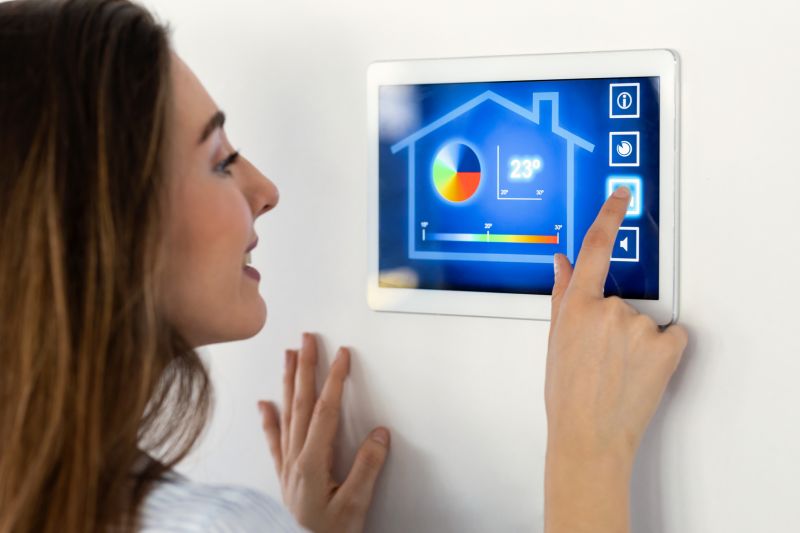
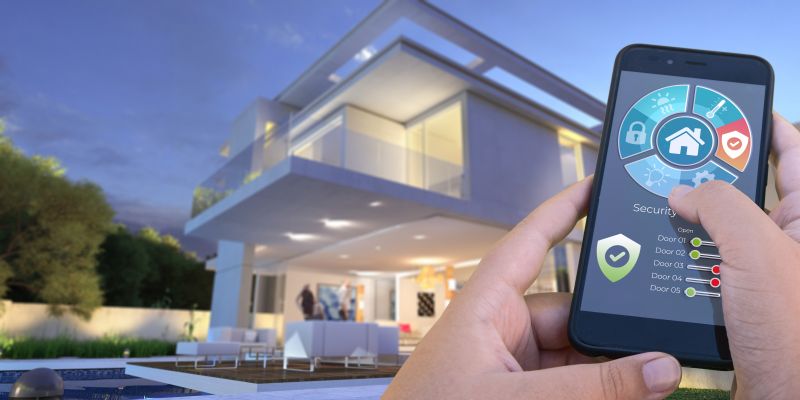
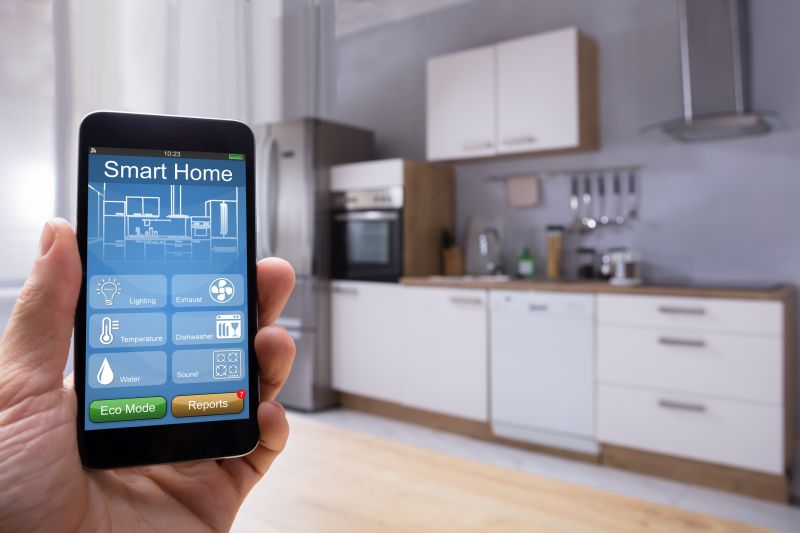
Smart home automation services involve integrating various household systems and devices to operate seamlessly through centralized control. This can include smart lighting, thermostats, security cameras, door locks, and entertainment systems, all connected via a home network. The goal is to enable homeowners to manage their home environment more conveniently, often through smartphone apps, voice commands, or automated schedules. These systems can be customized to fit individual preferences, providing a more streamlined and modern living experience.
Many homeowners turn to smart home automation to address common challenges such as managing multiple devices independently, improving home security, or increasing energy efficiency. Automation can help reduce energy waste by adjusting lighting and heating based on occupancy or time of day. It also enhances security by allowing remote monitoring and control of locks and cameras, giving homeowners peace of mind when away. Additionally, automation can simplify daily routines, making tasks like adjusting thermostats or controlling entertainment systems more efficient and less time-consuming.
Smart home automation is often installed in a variety of property types, including single-family homes, condominiums, and multi-unit residential buildings. It is especially popular in new construction projects where wiring and infrastructure can be integrated during the build. However, many existing homes can also be upgraded with automation features, making it accessible for a wide range of property owners. Whether for comfort, security, or convenience, local contractors can tailor solutions to suit different property sizes and layouts.
Homeowners considering smart home automation typically look for ways to improve their daily living experience or address specific problems like inconsistent lighting, difficulty managing multiple devices, or concerns about security. If a home feels outdated or lacks integrated control systems, automation services may be a practical upgrade. Local service providers can evaluate the property’s needs, recommend suitable devices, and handle the installation process to ensure a smooth transition into a more connected and efficient home environment.
The overview below groups typical Smart Home Automation projects into broad ranges so you can see how smaller, mid-sized, and larger jobs often compare in your area.
In many markets, a large share of routine jobs stays in the lower and middle ranges, while only a smaller percentage of projects moves into the highest bands when the work is more complex or site conditions are harder than average.
Smaller Repairs - Many routine smart home automation tasks, such as installing smart lighting or thermostats, typically cost between $250 and $600. Most projects in this range are straightforward and completed quickly by local contractors.
Mid-Range Installations - More comprehensive setups, like integrating multiple devices or upgrading existing systems, usually fall between $600 and $2,000. These projects are common and often involve a few hours of work from local service providers.
Full System Integration - Larger, more complex automation systems, including whole-home setups, can range from $2,000 to $5,000 or more. Fewer projects reach into this tier, but they offer extensive customization and control.
Custom or Premium Projects - Highly customized or advanced automation solutions, such as commercial-grade systems, can exceed $5,000. These are less common and typically involve extensive planning and installation by specialized local pros.
Actual totals will depend on details like access to the work area, the scope of the project, and the materials selected, so use these as general starting points rather than exact figures.
Lighting Control Projects - local contractors who specialize in automated lighting systems can design solutions that enhance convenience and energy efficiency in residential or commercial spaces.
Security System Installations - service providers experienced in smart security setups can integrate cameras, sensors, and access controls for comprehensive home protection.
Home Theater Setup - local pros with skills in audio-visual technology can create integrated entertainment systems that synchronize with smart home controls.
Energy Management Systems - contractors capable of installing smart thermostats and energy monitoring devices help optimize power usage across properties.
Voice Control Integration - service providers familiar with voice assistant platforms can set up voice-activated controls for various smart devices within a home or office.
Networking and Wi-Fi Optimization - local experts who specialize in network infrastructure can ensure reliable connectivity for all smart home components and automation systems.

When comparing service providers for Smart Home Automation, it’s important to consider their experience with projects similar to your own. A contractor who has successfully handled comparable installations or system integrations is more likely to understand the complexities involved and deliver a solution that meets your needs. Asking about their past work can provide insight into their expertise and familiarity with the specific technologies or systems you are interested in, helping to ensure a smoother process and a more reliable outcome.
Clear, written expectations are a key factor in choosing the right local contractor. A reputable service provider should be able to outline the scope of work, deliverables, and any relevant details in a straightforward manner. This helps prevent misunderstandings and ensures that everyone is aligned on what the project entails. When reviewing proposals or estimates, look for detailed descriptions of the services offered, so you can compare options effectively and select the professional who provides the clearest and most comprehensive information.
Good communication and reputable references are also essential qualities to consider. A dependable local contractor will be responsive to questions and transparent about their process. Additionally, requesting references from previous clients can provide valuable feedback on their experience working with the service provider. Hearing about others’ firsthand experiences can help gauge reliability, professionalism, and the quality of work, making it easier to identify a trusted partner for your Smart Home Automation project. Keep in mind that this site’s role is to introduce homeowners to qualified local service providers, not to perform the work directly.
Property owners use Smart Home Automation services for practical projects around their homes and businesses. This guide focuses on everyday jobs and straightforward project options.
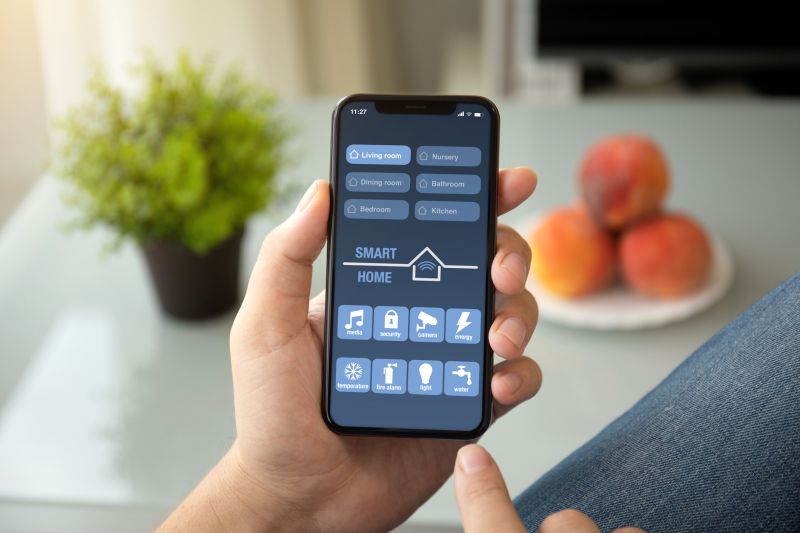
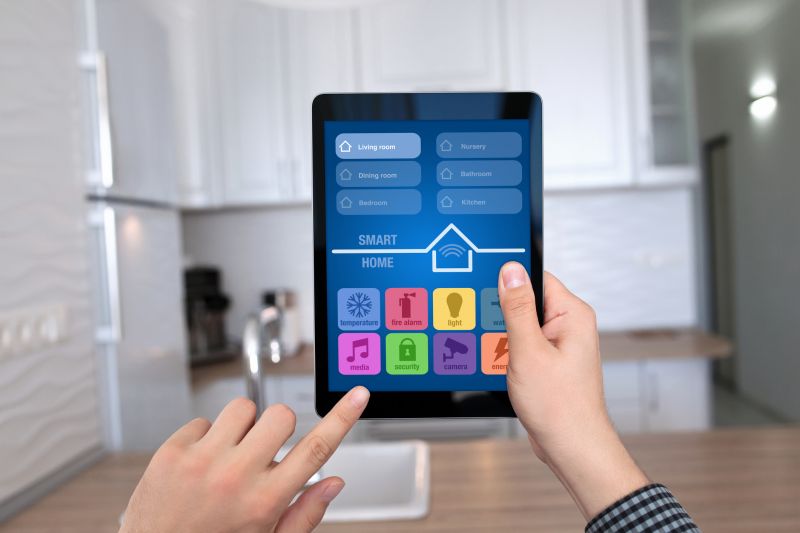
Smart home automation services are often sought after by property owners looking to enhance convenience and streamline daily routines. Whether it's automating lighting, managing security systems, or controlling thermostats remotely, local contractors can help simplify everyday tasks. Homeowners may also explore these solutions to improve energy efficiency or to add modern technology features that make their properties more comfortable and functional.
For many in the area, the motivation to upgrade to smart home systems stems from a desire to increase property value or to enjoy greater control over their living environment. Local service providers can assist with installing and integrating these systems seamlessly, making it easier for property owners to stay connected and manage their homes with minimal effort.
What is smart home automation? Smart home automation involves integrating devices and systems in a home to enable remote control, scheduling, and automation of lighting, climate, security, and other functions through connected technology.
How can local contractors help with smart home automation? Local service providers can assess your home’s needs, recommend suitable automation solutions, and handle the installation and configuration of smart devices and systems.
Are there different types of smart home systems available? Yes, there are various systems ranging from basic lighting controls to comprehensive home automation platforms that integrate security, climate, entertainment, and more.
Can smart home automation improve home security? Many smart automation systems include security features such as remote monitoring, smart locks, and motion sensors that can enhance home security and provide peace of mind.
What should I consider before installing smart home automation? It's important to evaluate your home’s existing infrastructure, identify your automation goals, and consult with local contractors to choose compatible devices and systems that meet your needs.
Smart Lighting Control - Automate lighting schedules to turn lights on or off based on occupancy, enhancing convenience and security.
Temperature Management - Use smart thermostats to adjust heating and cooling for energy savings and personalized comfort throughout the day.
Security and Surveillance - Integrate cameras and door sensors that can be monitored remotely, providing peace of mind and real-time updates.
Voice-Activated Devices - Enable voice commands to control appliances, lighting, and climate settings for hands-free convenience in daily routines.
If you are thinking about Smart Home Automation for a property, this guide is meant to help you understand the work, the typical project types, and how different options might fit your plans.
When you are ready, you can use the quote form on this page to share a few details about your project. From there, local pros can review the basics and respond with options that match what you have in mind.